January 20th, 2026, Court Leader’s Advantage Podcast Episode
Brought to You in Cooperation with the National Association for Court Management

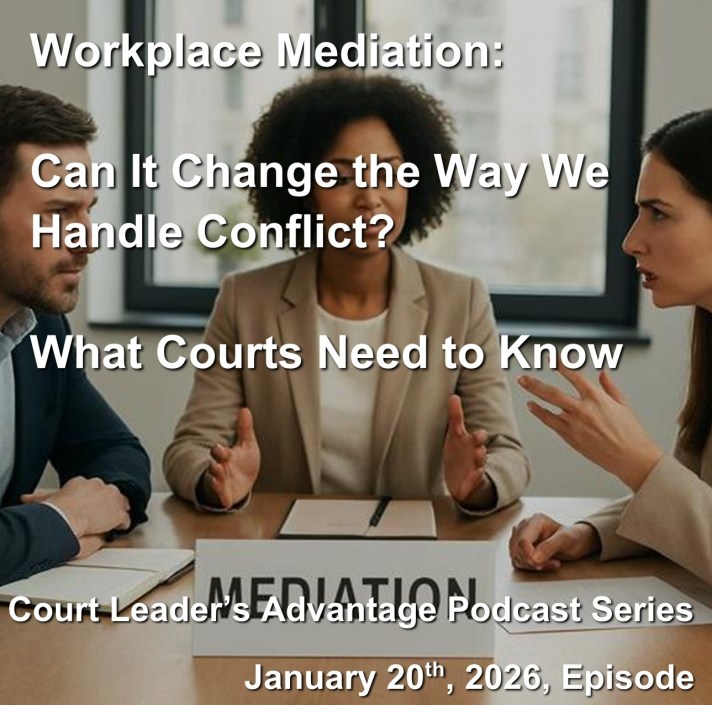
Workplace mediation is rapidly becoming an accepted management tool across the U.S. Organizations facing rising conflict, legal exposure, and employee burnout are increasingly turning to mediation to resolve disputes and restore working relationships.
In fiscal year 2024, the U.S. Equal Employment Opportunity Commission received more than 88,000 new discrimination and retaliation charges, a 9 percent increase from the prior year.
At the same time, analysts project that the workplace mediation and conflict-resolution market will grow by more than 7 percent annually through 2030. These trends point to a simple reality: workplace conflict is increasing, and organizations are searching for better ways to manage it.
The modern workplace itself is driving this change. Hybrid work, remote teams, generational turnover, and a more diverse workforce are creating new kinds of misunderstandings and tensions, many of which do not fit neatly into traditional HR investigations or disciplinary systems. Mediation offers a different model: one that emphasizes dialogue, accountability, and problem-solving rather than blame and punishment.
Several forces are fueling the growth of workplace mediation. Employers are placing greater emphasis on employee well-being and mental health. They are also recognizing that mediation is typically faster, less expensive, and less disruptive than formal complaints, litigation, or turnover. At the same time, technology has made mediation more accessible, allowing parties to meet virtually and resolve disputes before they escalate.
Yet mediation is not a cure-all. It requires both parties to engage in good faith. Some conflicts—particularly those involving serious misconduct or power imbalances—may not be appropriate for mediation. And when mediation is poorly designed or inadequately facilitated, it can do more harm than good.
This month, we are taking a closer look at workplace mediation. Is resolving disputes through trained, neutral facilitators more effective than the traditional tools organizations rely on? And, most importantly for our audience, can this model be adapted to work inside the courts themselves?
Listen to the January 20, 2026, CLA Podcast Episode on your way to or from work. 30 Minutes 4 Seconds. Be sure to share the link to this episode on your social media pages. It lets more people know about the important work of court administration in our community.
Watch the January 20, 2026, CLA Podcast Episode on YouTube. 32 Minutes 22 Seconds. Be sure to click on the subscribe button. It draws more attention to the topic of court administration on YouTube.
Become Part of the Conversation
Send your comments and questions to CLAPodcast@nacmnet.org
Today’s Moderator

Erika Schmid is the Judicial Clerk Supervisor at Multnomah County Circuit Court in Portland, Oregon. She started as a legal assistant at a public defense office and began her journey at the courthouse by being a judicial clerk.
Erika was introduced to NACM very quickly upon becoming a supervisor as she attended the Minneapolis mid-year conference in 2023, just two months after she started her new position.
Today’s Panel

Jamie Giani is the founder of Third Branch Solutions, a boutique consultancy supporting courts and justice organizations in modernizing operations, strengthening culture, and leading through change. She brings nearly two decades of experience in the federal judiciary, having served as a career law clerk, assistant federal public defender litigating capital habeas cases, Chief Deputy, Clerk of Court, and attorney advisor.
Jamie also worked nationally with the Administrative Office of the U.S. Courts as Customer Engagement Lead for the Case Management Modernization effort, focusing on change management and strategic communications.
Driven by a habit of asking “why do we do it this way?” Jamie founded Third Branch Solutions to help courts work better—and be better places to work. She is also a vocal advocate for workplace wellbeing and mental health.

Elizabeth Moss is a dedicated HR professional with over 17 years of experience in the field. Currently she serves as the Human Resources Director for the Alaska Court System, where she leads strategic initiatives to enhance HR practices with a focus on employee relations and fostering a productive workforce.
Before joining the Alaska Court System, Beth held the position of HR Manager at Caesar Entertainment in Biloxi, MS, where she gained valuable expertise in HR management and organizational development.
Before Beth’s journey in HR she held a previous role in Marketing and Pricebook management for Shell Corporation. This diverse background has allowed Beth to bring a unique perspective to HR, combining marketing insights with people management strategies.
Beth holds a Bachelor of Science degree with a minor in marketing from Belhaven University. Additionally, she is a Senior Certified Professional (SHRM-SCP), reflecting her commitment to staying at the forefront of HR practices and standards.
Beth’s passion lies in creating a thriving work environment and maximizing the potential of organizations through effective HR strategies. She looks forward to continuing her journey in the HR field and contributing to the success of the teams and organizations she serves.
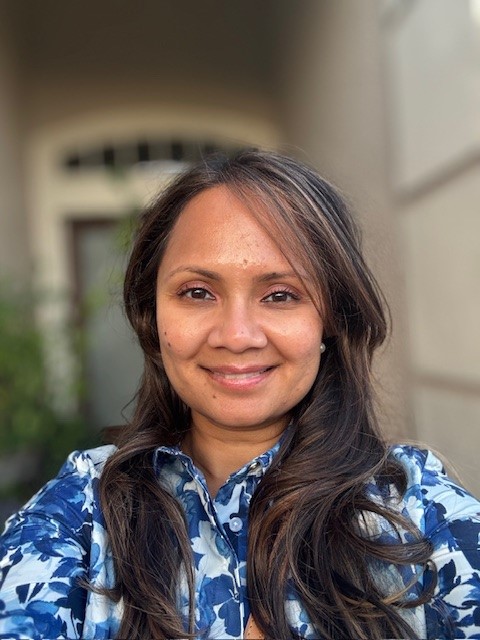
Teshrie (Tess) Kalicharan is currently the ADR Director for the Ninth Judicial Circuit Court of Florida. She is a Florida Supreme Court certified county and family mediator, primary county mediation trainer, and qualified arbitrator. She was previously appointed to serve on the Florida Supreme Court’s Mediator’s Rules and Policy Committee. She is also a NACM Core Champion and NCSC Certified Court Manager.
Most recently, Teshrie is also a NACM Board of Directors and is co-chair on NACM’s ECP Committee and second co-chair on the Membership Committee.
Do You Want to Know More?
Workplace Mediation – A Constructive Approach to Resolving Conflicts
Workplace Mediation – An Underdeveloped Research Area
Episode Transcript
Today’s Episode Transcript includes time markers for each question. You can fast-forward to the moment a specific question is asked and listen directly to the panelists’ responses.

 Court Leader