
November 19th Episode of A Question of Ethics: A Conversation on Courts and Ethics
Brought to You in Cooperation with the National Association for Court Management


Public organizations, including courts, sometimes bring employees back after retirement, as consultants, trainers, part-time staff, or interim leaders.
The case for doing so is straightforward: retain hard-won expertise, keep essential work moving, and give a successor time to learn. But the financial arrangement can be harder to explain. A retiree may collect a pension while earning a new public salary, sometimes alongside a payout for unused leave. To critics, it looks like being paid twice for the same work.
There are sound reasons to rehire an experienced employee. Years of service can leave someone with deep knowledge of systems, procedures, relationships, and decisions that no manual captures. A temporary role can help train a successor, complete a critical project, or steady an organization through a leadership change, all without creating a permanent position. Supporters also argue that a pension is deferred compensation, earned over years of work, rather than an unearned windfall.
Yet a short-term solution can carry long-term costs. Bringing back a retiree may delay succession planning, frustrate employees who have prepared to advance, or allow a temporary appointment to become an open-ended extension of the past. If the selection process is unclear, it can invite suspicion of favoritism. And when a former leader returns, the organization may find it harder to give a new leader room to set a different direction.
The public may see the arrangement differently from the institution that approves it. Even when a rehire is legal and useful, collecting a pension and a new salary can appear to taxpayers as a costly exception, especially when the retiree returns to nearly the same job. Appearance matters. Public confidence depends not only on whether officials follow the rules, but on whether they can explain their decisions plainly and show that public money is being used responsibly.
So the question is not simply whether rehiring a retiree is legal or efficient. It is whether the organization can justify the need, the selection, the duration, and the full compensation openly, and still defend the decision as fair. For courts, that standard is especially important: preserving institutional knowledge should not come at the expense of public trust in equal justice.
Listen to the November 19, 2026, Question of Ethics Conversation on your way to or from work. 31 Minutes 59 Seconds. Be sure to share the link to this episode on your social media pages. It lets more people know about the important work of court administration in our community.
Watch the November 19, 2026, Question of Ethics Conversation on YouTube, 32 Minutes 17 Seconds. Be sure to click on the subscribe button. It draws more attention to the topic of court administration on YouTube.
Today’s Panel

Courtney Whiteside is passionately dedicated to providing the citizens of Missouri with a fair and unbiased judiciary through education and collaboration with the other branches of government, our community and national partners and providing our judicial staff with the tools to be successful in this fast-paced environment.
Her journey in the judiciary started in 2012 in her hometown of St. Charles, Missouri as a court clerk then taking her to Jefferson City to work with the Office of State Courts Administrator and on to the Missouri Supreme Court to serve as the state’s municipal division courts monitor.
Today Courtney is the Director of the St. Louis County Municipal Division where she continues to pursue providing educational opportunities to municipal divisions and clerks through various committees and educational groups of the state while promoting cultural and procedural reform progression. It is her great honor to partner with judicial partners in Missouri and across the nation.

Rick Pierce is recently retired as Judicial Programs Administrator for the Judicial District Operations and Programs Department at the Administrative Office of the Pennsylvania Courts (AOPC). He has served in the field of court administration for the past twenty-nine years.
Prior to his appointment at the AOPC, Rick was the district court administrator for Cumberland County. Prior to his 4 ½ year tenure as court administrator, Rick was the assistant administrator for the 9th judicial district from 1988-1997.
As judicial programs administrator, Rick was responsible for the implementation of programs and education in court administration at the general and limited jurisdiction court levels.
Rick served as the President of the Mid-Atlantic Association for Court Management for 2005-2006. Previously, he served on the MAACM advisory board from 1997-2005. A graduate from Washington and Lee University, Rick received his Master’s in Public Administration from Shippensburg University in 1995. He has been an active member of the Pennsylvania Association of Court Management, (PACM) since its inception in 1989. He has served as a board member from 1994-2001, culminating in his presidency in 2000-2001.
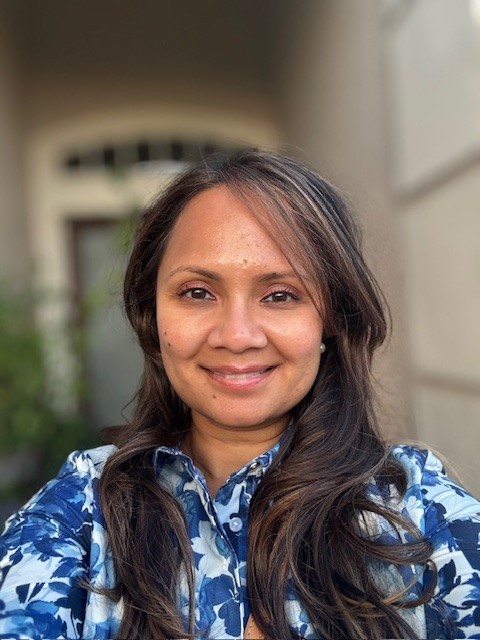
Teshrie Kalicharan serves as the Director of Alternative Dispute Resolution (ADR) for the Ninth Judicial Circuit of Florida, where she oversees the development and management of court-connected mediation services. In this role, Tess leads a team of mediators and ADR professionals who assist parties in resolving family, civil, and complex disputes, reducing case backlog and promoting efficient resolution.
With years of experience in judicial administration and dispute resolution, Tess has introduced innovative practices to expand access to ADR, including digital mediation platforms, expanded training programs, and partnerships with community organizations. Her leadership reflects a commitment to equitable access to justice and strengthening public confidence in the courts.
Tess earned her Juris doctorate degree from Barry University School of Law. Graduated with an honors certificate in family law and was the Editor-in-Chief of the Barry Law School Child and Family Law Journal. She earned a Bachelor of Arts Degree in English Literature from St. John’s University. She is a certified county and family mediator and qualified arbitrator.
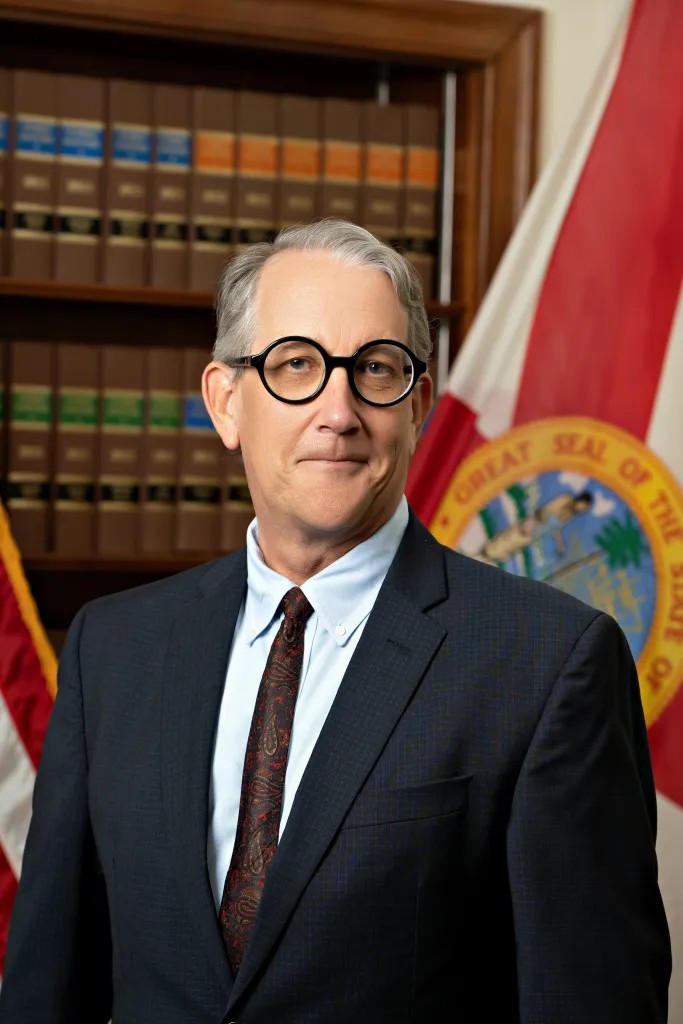
Paul Flemming is the director of the Florida Supreme Court Public Information Office. Before joining the State Courts System in 2016 he worked in the Florida Legislature. Previously, he was a reporter and editor for newspapers in Missouri and Florida.
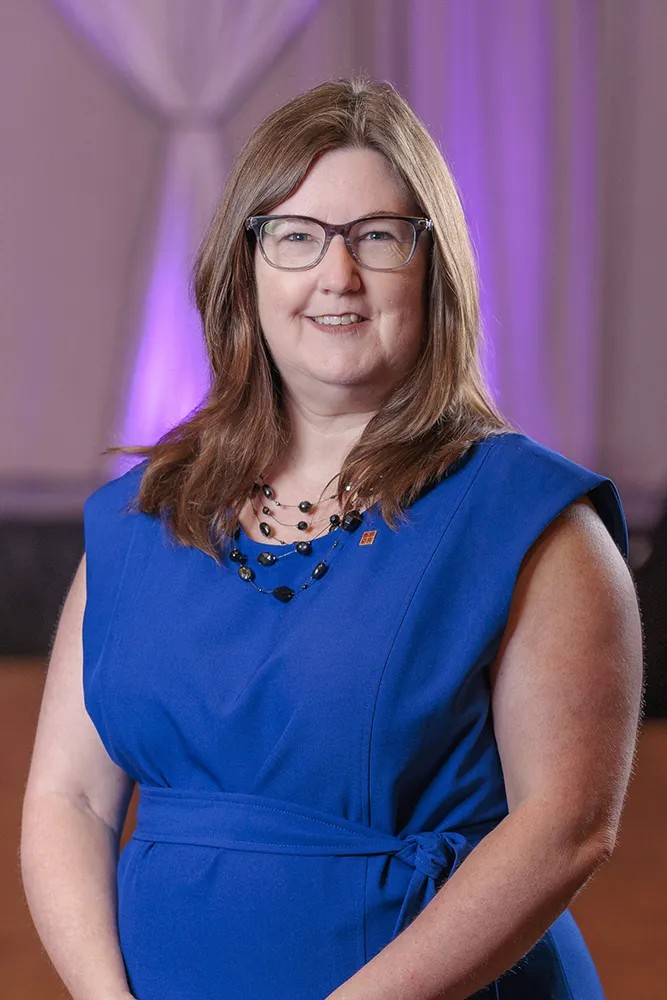
Melinda Brooks graduated from The Ohio State University in 1996 with a Bachelor of Arts in Criminology. During the final two years of her undergraduate studies, she volunteered as an intern with the Franklin County Municipal Court Department of Pretrial and Probation Services. Upon completing her degree, she was hired as a Probation Officer supervising a general caseload
Melinda also has experience with investigations, sex offender, domestic violence, substance abuse and mental health specialized docket caseloads.
In 2005, Melinda was awarded the George Farmer Line Officer of the Year award by the Chief Probation Officer’s Association for her exemplary work in the field of community corrections.
Melinda earned her Master of Science in Criminal Justice with a specialization in Judicial Administration from Michigan State University in 2014. She is a Fellow of the Institute for Court Management, which she completed in 2015. After serving as a Probation Officer Supervisor for 7 years, he was promoted to the position of Deputy Chief Probation Officer in 2015. In 2019 she transitioned to the Franklin County Municipal Court Administration team as the Court’s Grants and Special Projects Manager.
Melinda has been a member of the Ohio Association for Court Administration since 2008, and is a current member of the OACA Education Committee. She has been a member of the National Association of Court Management since 2015 and is currently on the Board of Directors.
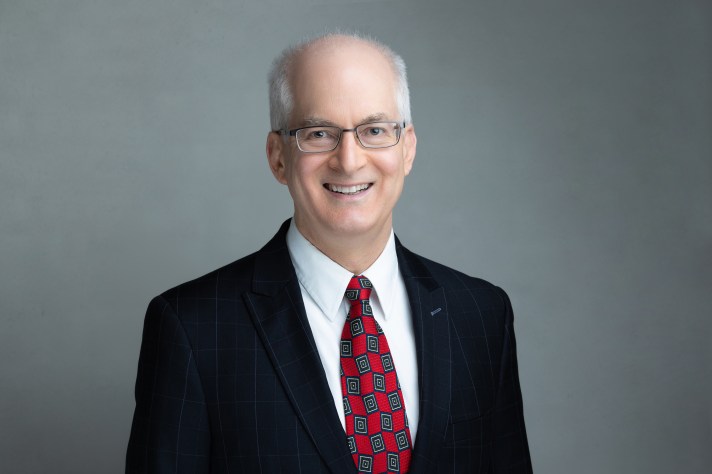
Richard Lynch serves as the Circuit Court Administrator for the Sixth Judicial Circuit of Michigan. He began his court career in 1988 as a courtroom clerk and has subsequently moved through the ranks to serve as a law clerk/ research attorney, Chief of Court Operations, and Manager of the Civil/ Criminal Division.
Rich has also served as General Counsel for Michigan’s Third Judicial Circuit.
Having worked on the front lines and in various managerial capacities gives Rich a broad perspective of the court system, and its internal and external operational issues, through both a legal and an administrative lens. Rich looks for ways to ensure that stakeholders experience access to the court through the dedicated service of a committed workforce. Rich received the Legal Aid and Defender’s Office Ed Pokorny Pioneer of Justice Award for service to the Legal Community in 2016.
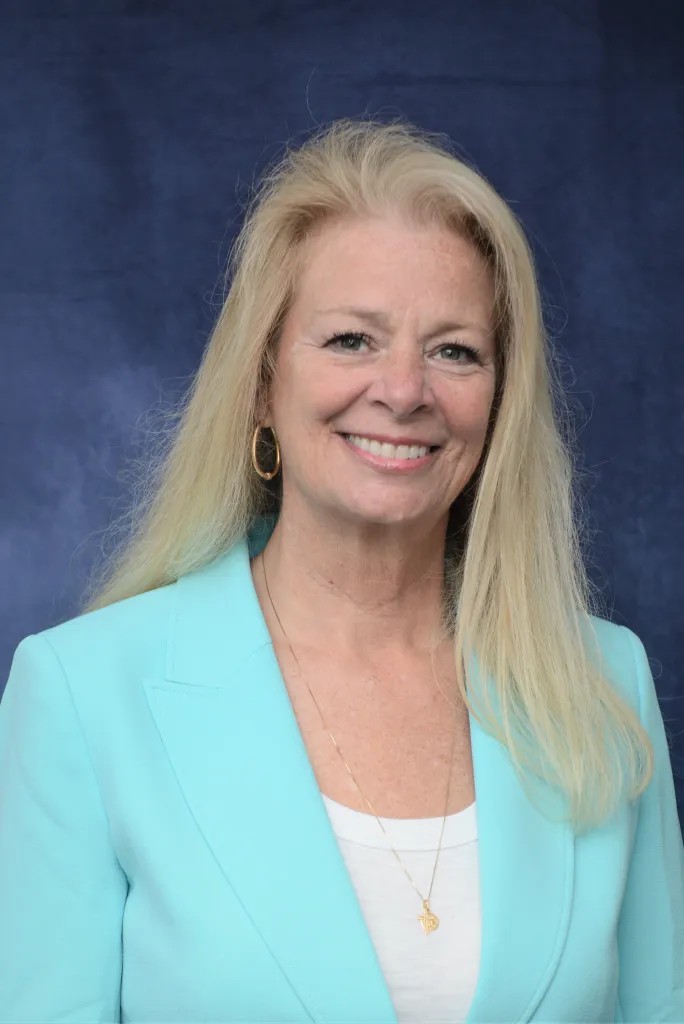
Kristi Cox began her career with the courts in 1993 after working in a private law firm for 8 years. She has worked in the District Court, Circuit Court, and finally managing the Circuit Court Clerk’s office in Livingston County, Michigan since 2017. She became a Fellow of the Institute for Court Management in 2013.
Do You Want to Know More?
Welcome Back Retired Employees
Transcript of Today’s Episode
Transcript of the November 19th, 2026, Question of Ethics Conversation


